Multichannel vs omnichannel. The key differences
Sales and customer communication are increasingly rarely confined to a single channel. Companies operate simultaneously in e-commerce, marketplaces, physical stores, mobile apps and social media. Against this backdrop, one question keeps coming up: multichannel vs omnichannel – what exactly is the difference between these strategies, and which one should you choose?
Although both approaches rely on being present across multiple channels, they’re built on different business, technological and organisational assumptions. Below, we explain the differences, show examples and offer guidance on choosing the right model for your company.
Key takeaways:
Multichannel vs omnichannel isn’t just a difference in the number of channels – it’s fundamentally a different way of thinking about the customer and about processes.
- Multichannel means multiple channels operating independently, side by side.
- Omnichannel means integrated online and offline sales channels, forming a single, consistent experience ecosystem.
- The more mature the organisation and the larger the scale of operations, the greater the value an omnichannel approach delivers.
Multichannel – what is it and how does it work?
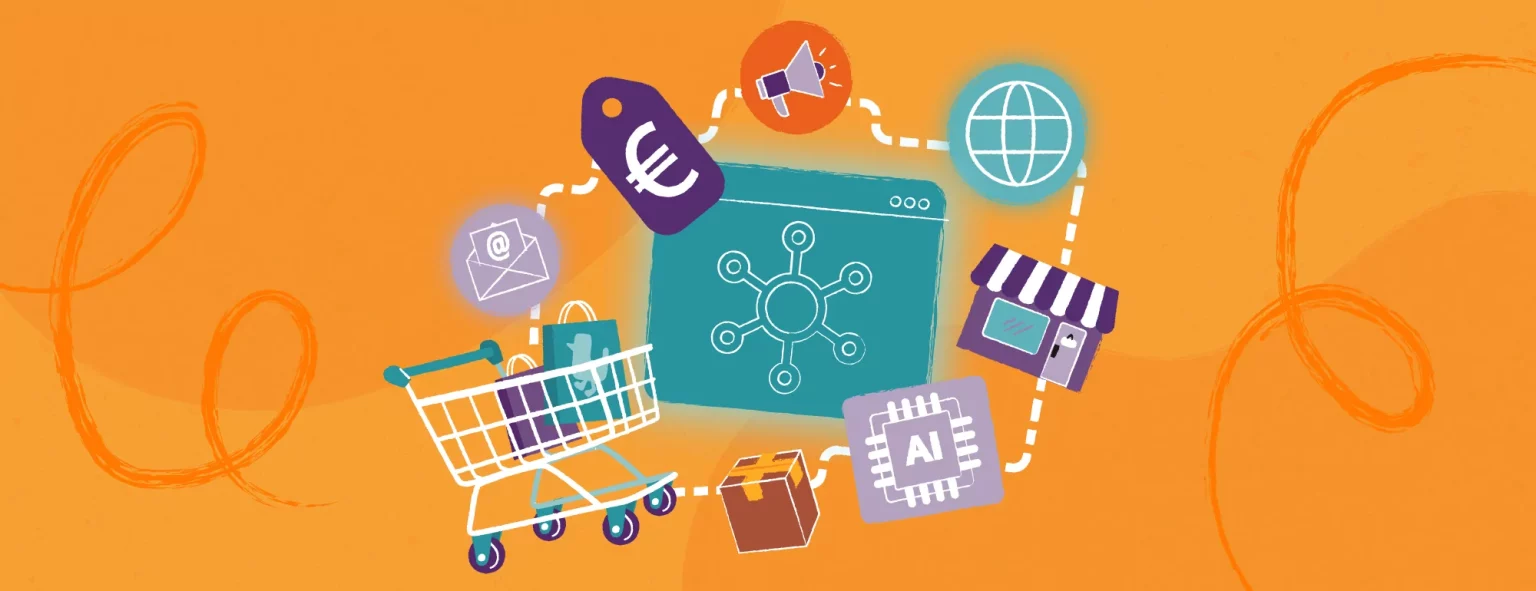
A multichannel strategy involves running sales or customer communication across multiple channels simultaneously, with each channel operating independently of the others. In practice, this means a company is present at several customer touchpoints, but these don’t form a single, coherent ecosystem.
In a multichannel model, sales are most often conducted through an online shop, marketplace platforms and physical stores.
Each of these channels operates under its own rules. It may have a separate pricing policy, different promotions, separate stock levels and independent customer service. From the customer’s perspective, this means a different shopping experience depending on where they interact with the brand.
From a business point of view, multichannel has its strengths, but also clear limitations.
Key advantages include: – fast launch of new sales channels – lower technology requirements – flexibility in the early stages of growth
The limitations of this model are primarily: – lack of a consistent customer experience – difficulty managing scattered data – risk of inconsistent pricing and communication – greater operational burden on teams
What is omnichannel?
Omnichannel is a strategy in which all channels are integrated and work together. The customer is at the centre, and the brand offers them a single, consistent experience regardless of the touchpoint used.
In practice, this means the customer can move freely between channels, and data is available across the whole organisation.
In an omnichannel model, a customer can check a product in the online shop, reserve it via the app, collect and pay for it in a physical store, and then return it online.
A key element of this model is the ongoing synchronisation of data – prices, stock levels and orders – creating a complete history of the customer’s contact with the brand.
The key benefits of omnichannel are: – a consistent customer experience – higher loyalty and greater customer lifetime value – better use of data and personalisation opportunities – process automation – easier sales scaling
At the same time, omnichannel comes with greater organisational challenges.
The most common limitations include: – higher technological complexity – the need to integrate systems – the need for well-organised internal processes
Multichannel and omnichannel in practice
The differences between multichannel and omnichannel are best seen not in definitions, but in the day-to-day running of a business and in the customer experience.
The examples below show how both approaches work in practice, and the consequences they carry for sales, customer service and brand consistency.
Scenario 1: Multichannel A company sells online and in physical stores. The channels operate independently, and the customer sees a different offer, different promotions and different product availability information in each one. This model works well when channels serve different purposes or different customer groups, but it makes building a consistent experience harder.
Scenario 2: Omnichannel A company treats all channels as part of a single ecosystem. The customer can move freely between them, and the brand maintains consistency in its offer, pricing and communication. This model better matches the expectations of customers who use multiple touchpoints before making a purchase decision.
Multichannel or omnichannel – which strategy should you choose?
The choice between multichannel and omnichannel isn’t binary. The decision depends on several key factors.
Multichannel works well when: – the company is at an early stage of growth – sales channels serve different roles – the organisation has limited technology resources – channels operate in different markets and don’t require close synchronisation
Omnichannel is the better choice when: – customers use multiple touchpoints – the scale of sales is growing – you want to improve the customer experience – automation and data consistency matter to you – business growth requires better control over data and processes
Why do companies choose omnichannel?
The decision to implement an omnichannel strategy is usually driven by growing customer expectations and the need to maintain a consistent pricing and communication policy across all channels. Problems managing scattered data are also a significant factor, as is the desire to automate processes and scale sales without increasing operational complexity. Omnichannel isn’t a simpler approach and requires organisational maturity, but it gives companies greater control over their processes and a genuine competitive advantage.
A strategy tailored to your business
The differences between multichannel and omnichannel aren’t just about the number of sales channels. It’s a choice of operating model that affects how you serve customers, how you organise processes, and your future growth potential. Understanding these differences helps you make better decisions – ones tailored to your business’s real needs, rather than to market trends.
If you’d like to assess which strategy is better suited to your case, talk to Univio’s experts. We can help you look at multichannel and omnichannel through the lens of your organisation’s goals, scale and capabilities.
FAQ – frequently asked questions
Is omnichannel always better than multichannel? No. Omnichannel offers greater possibilities, but requires organisational and technological readiness. For some companies, multichannel is a natural transitional stage.
Can you move from multichannel to omnichannel gradually? Yes. In practice, most companies evolve this way – starting with multichannel and then integrating key processes and data.
Which systems are key to omnichannel? These are most often ERP systems, e-commerce platforms, OMS, PIM and integration tools that bring the data together into a single ecosystem.